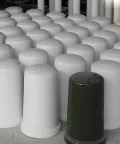
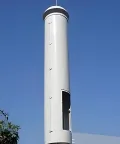
FRP Antenna Radome
Protective housing made of fiberglass-reinforced plastic (FRP) for telecommunication antennas
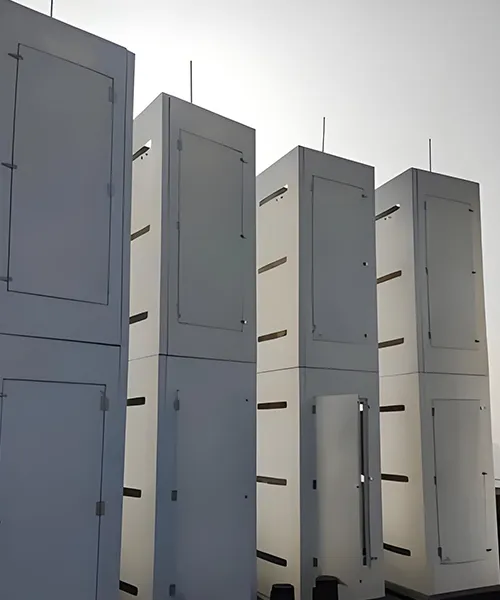
FRP antenna radomes are protective covers that are used to shield telecommunication antennas from weather, dust, and other outside elements. These antenna protective housings are made of fibreglass and resin materials such as polyester or epoxy, which makes them strong while staying lightweight and simple to install. This material holds up well against sunlight, corrosion, chemical exposure, and wide temperature changes, from –40°C to 80°C, making it suitable for long-term outdoor use. At the same time, radio signals can travel through the radome with minimal loss, therefore antenna performance is unaffected. Antenna radomes are commonly installed at communication base stations, radar sites, and similar locations to protect the antennas while keeping the site looking clean and well organized.
- Installed Antennas Number Depends on antenna size and project requirements
- Certification ISO 9001: 2015; COC; Third Party Inspection Report (SGS, BV)
- Surface Treatment FRP molded surface with protective coating
- Wind Resistance Operating wind speed: up to 110 km/h | Maximum wind speed: up to 200 km/h
- Specifications
- Features
- Project
- Manufacturing
Typical Installation Environments
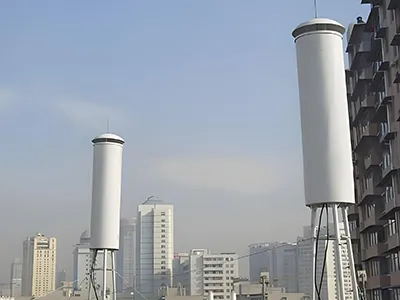
FRP antenna radomes are widely used on rooftops, balconies, or terraces of buildings, where they are used to cover antennas or serve as visual partitions. They can also be installed indoors, such as in office environments, where they provide antenna protection while improving the overall appearance of the space.
| Mounting Type | Rooftop mount |
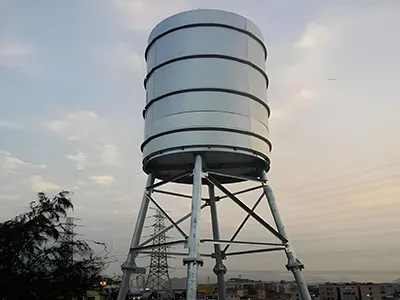
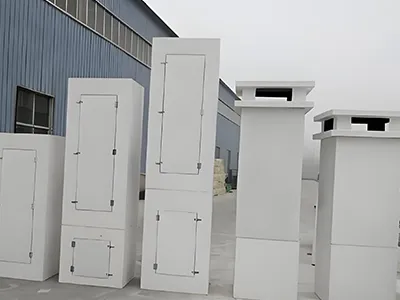
| Radome Design Type | Square column type, cylindrical type, decorative rack type, water tower style, water tank style, two-color design |
| Installed Antennas Number | Depends on antenna size and project requirements |
| Certification | ISO 9001:2008, SGS ISO 9001: 2015; COC; Third Party Inspection Report (SGS, BV) |
| Material | Fiberglass-reinforced plastic (FRP) |
| Height | Customized according to project requirements |
| Weight | Customized according to design and size |
| Surface Treatment | FRP molded surface with protective coating |
| Extension Height Options | 1 m, 2 m, 3 m (optional) |
| Service Life | More than 20 years |
| Color | Painted (RAL color standard), customizable |
| Impact Resistance | Resistant to hail impact up to 10 mm |
| Protection Rating | IP55 |
| Wind Resistance | Operating wind speed: up to 110 km/h | Maximum wind speed: up to 200 km/h |
| Anti-corrosion Performance | Resistant to salt fog, moisture, and ultraviolet radiation |
We provide detailed technical guidance throughout the installation process and carry out the work strictly according to the approved drawings. If you have any questions at any stage, feel free to contact us and we’ll be happy to assist.
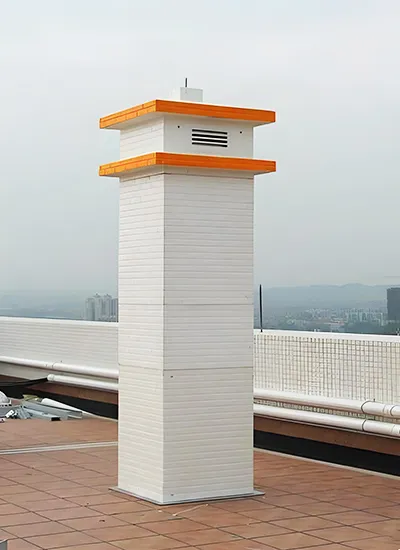
FRP radome allows antennas to blend seamlessly into the environment as architectural elements (such as square columns and outdoor air conditioning units) or bionic forms (like trees and street lights). By achieving "invisibility," it minimizes public attention, facilitates network deployment and site acquisition, enhancing the aesthetic appearance of the area.
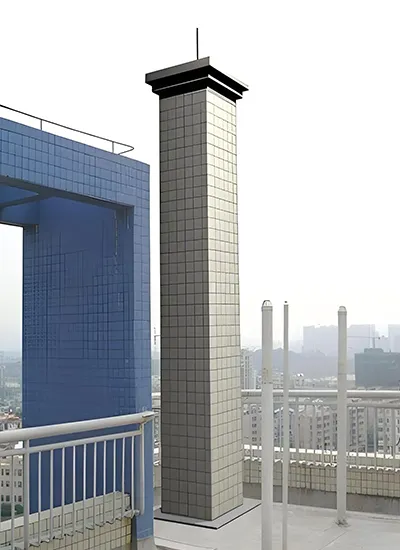
The material does not block the signal, so radio waves pass through easily and the antenna continues working normally without affecting signal quality.
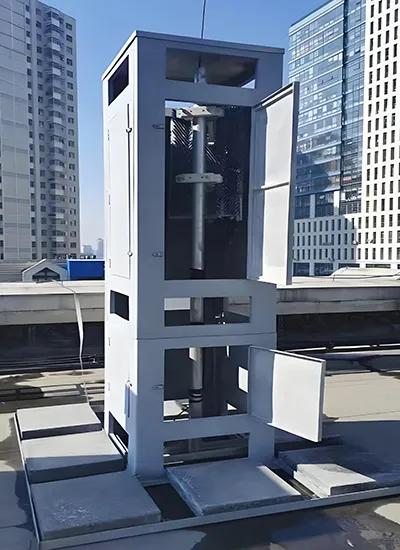
FRP protective housing provides a high level of protection for antennas against wind, rain, dust, salt spray, and UV radiation. It prevents bird nesting and human interference, effectively extending antenna lifespan and reducing long-term maintenance costs.
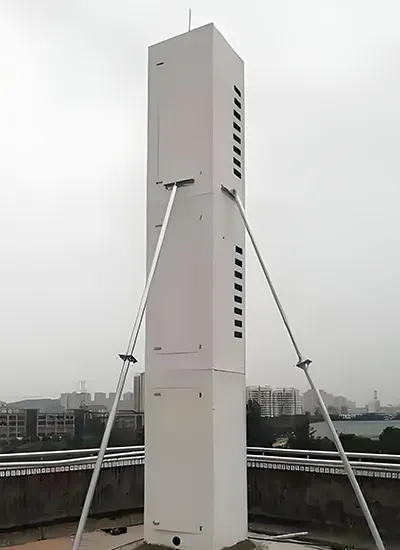
These FRP antenna radomes can be customized in various shapes, sizes and colors to meet specific environmental requirements, achieving high-level camouflage while ensuring easy installation.
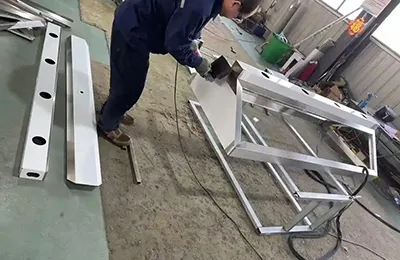
Surface Polishing & Finishing
The surface is finely polished using sandpaper or polishing equipment to achieve a smooth, reflective finish. Decorative patterns can be added or a protective film applied to enhance the final appearance.
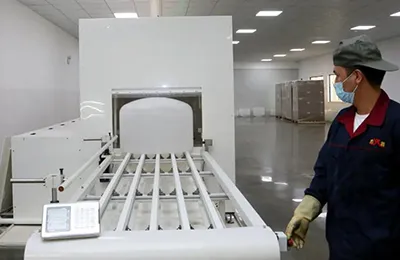
Cleaning & Quality Inspection
Ultrasonic cleaning is used to remove processing residues and ensure a clean surface. A final quality check is then carried out to confirm the product meets optical and structural
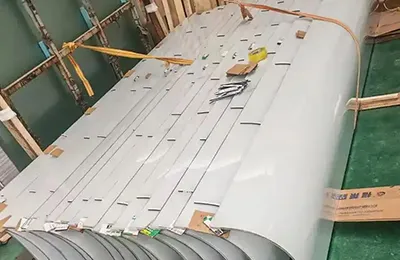
Hot Bending & Forming
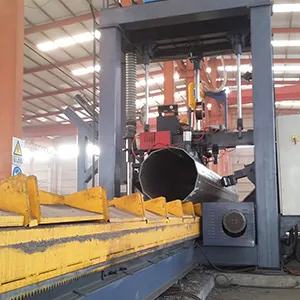
The fiberglass panels are heated using hot air or professional bending equipment to form the curved structure of the radome. Molds are used during this process to ensure accurate shape and consistency.